
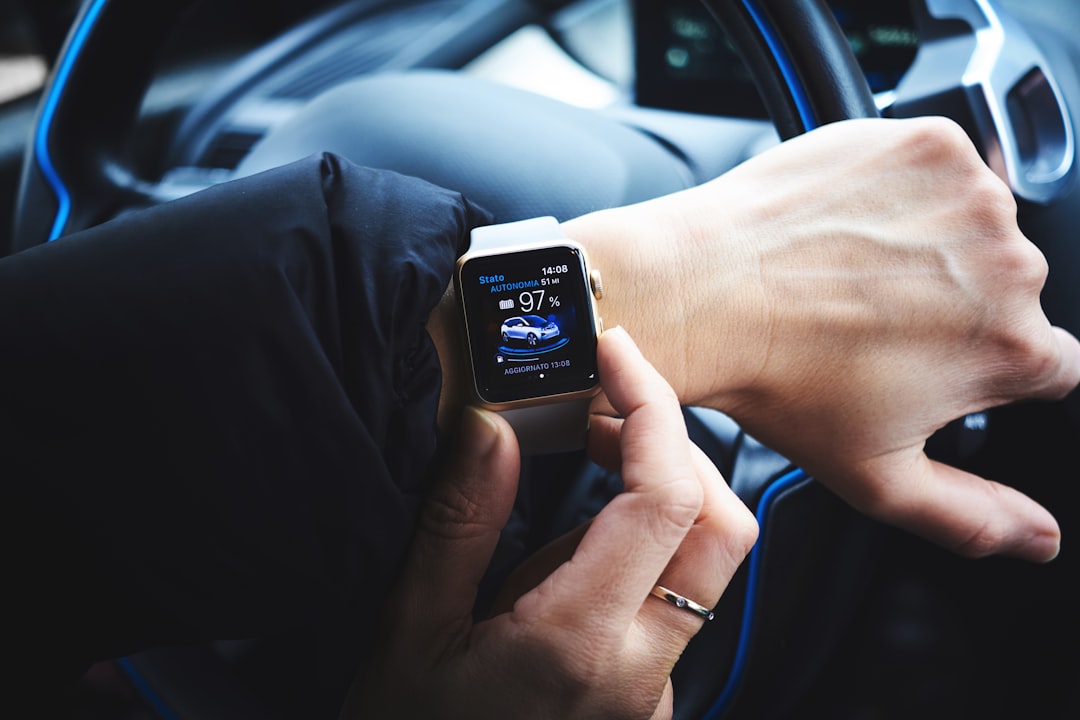
In recent years, wearable technology has transitioned from a niche market to a mainstream phenomenon, reshaping how consumers interact with technology daily. The surge in popularity can be attributed to advancements in technology, increased health awareness, and the growing demand for convenience in our fast-paced lives. As of 2022, the global wearable technology market was valued at approximately $116 billion, with projections estimating it will reach $265 billion by 2028, reflecting a compound annual growth rate (CAGR) of 14.3%. This growth is not merely a trend; it signifies a fundamental shift in consumer behavior and preferences.
Key Insight: The rapid expansion of the wearable technology market indicates a significant shift towards health-centric and convenience-driven consumer products, suggesting that brands must innovate continuously to meet evolving demands.
Wearable technology encompasses a wide range of devices, including smartwatches, fitness trackers, smart glasses, and even smart clothing. Each category serves a unique purpose, catering to various consumer needs. For instance, smartwatches like the Apple Watch and Samsung Galaxy Watch have become essential tools for health monitoring, offering features such as heart rate tracking, ECG readings, and even blood oxygen level monitoring. According to a report by Statista, the smartwatch segment alone is expected to generate over $30 billion in revenue by 2023, highlighting its significance in the wearable tech landscape.
Fitness trackers, such as those produced by Fitbit and Garmin, have also seen a meteoric rise in popularity. These devices not only track physical activity but also provide insights into sleep patterns and overall health metrics. A survey conducted by the International Data Corporation (IDC) revealed that 60% of consumers who own fitness trackers report increased motivation to maintain a healthy lifestyle, showcasing the psychological impact of these devices.
Moreover, the integration of wearable technology with mobile applications has enhanced user experience and engagement. Many devices now sync seamlessly with smartphones, allowing users to receive notifications, track their fitness goals, and even control smart home devices directly from their wrists. This interconnectedness is a crucial factor driving consumer adoption, as it simplifies daily tasks and enhances overall convenience.
The COVID-19 pandemic has further accelerated the adoption of wearable technology. With a heightened focus on health and wellness, consumers have turned to these devices to monitor their physical activity and health metrics more closely. A report from McKinsey & Company noted that 30% of consumers increased their use of health-related wearables during the pandemic, indicating a lasting shift in consumer behavior.
However, the rise of wearable technology is not without its challenges. Privacy concerns regarding data security and the ethical use of health information remain significant barriers to widespread adoption. Consumers are increasingly wary of how their data is collected, stored, and utilized by companies. Brands must prioritize transparency and robust security measures to build trust and encourage adoption.
Additionally, the market is becoming increasingly saturated, with numerous brands vying for consumer attention. To stand out, companies must focus on innovation and differentiation. This could involve developing unique features, enhancing user experience, or creating niche products tailored to specific demographics. For instance, wearables designed for seniors that focus on fall detection and emergency alerts could tap into an underserved market segment.
As we look to the future, the potential for wearable technology is vast. The integration of artificial intelligence (AI) and machine learning (ML) into wearable devices promises to enhance their functionality significantly. Imagine a fitness tracker that not only monitors your activity but also provides personalized coaching based on your performance trends. Such advancements could revolutionize how consumers approach health and fitness.
In conclusion, the rise of wearable technology represents a significant shift in consumer behavior, driven by a desire for health monitoring and convenience. With the market poised for continued growth, brands must navigate challenges related to privacy and competition while innovating to meet consumer demands. As wearable technology becomes increasingly embedded in our daily lives, it will undoubtedly shape the future of how we interact with technology and manage our health.